A Short Break Indoors or a Loop Around the Block?
Choose an indoor pause or a short walk around the block by matching your available time, the weather, and the kind of reset you need.

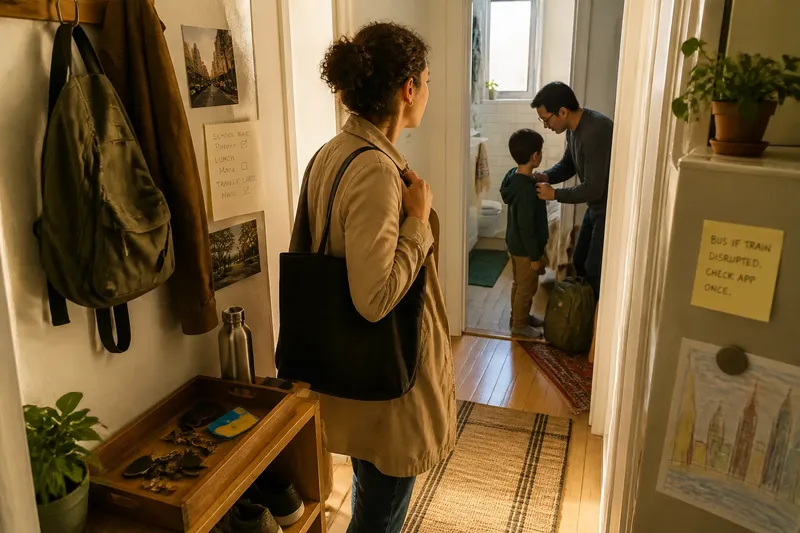
You close your laptop, but the room still holds the day's noise: a radiator ticking, a phone lighting up, a sticky note waiting for attention. A short indoor break or a loop around the block can separate one part of the day from another. The choice is less about finding the “right” kind of rest than about deciding which surroundings would help now.
What kind of break would change the moment?
An indoor pause removes some demands. You can stop moving, soften your gaze, and let the room grow quieter without crossing a street or choosing a route. This can suit a moment when you feel tired or crowded by sound and activity.
A walk changes the scene. Sidewalks, storefronts, traffic signals, and passing neighbors give your attention something beyond the screen. It asks you to move and make a few small decisions, so it may suit a moment when staying in one place feels confining.
The useful distinction is between less input and different input. Notice what is making the break difficult: the room, the screen, the noise, or the effort of getting outside. That observation can narrow the choice without turning it into a test of whether you are resting correctly.
When is an indoor pause the clearer choice?
Stay in when leaving would create another errand. Perhaps you have to keep an eye on a delivery, the sidewalk is wet, or a call is coming soon. Put your phone face down, sit somewhere available, and look away from the screen.
The place need not be special. A chair by a window, a library seat, or a quiet corner of a break room can work. If the room is busy, turn toward a blank wall or close a door if one is available. The aim is simply to reduce competing sights and sounds.
You might let your shoulders settle, drink some water, or listen to the room without adding music or a podcast. Keep your eyes open if closing them feels uncomfortable. These small choices distinguish a pause from remaining at your desk with the next task already in view.
What can a walk around the block change?
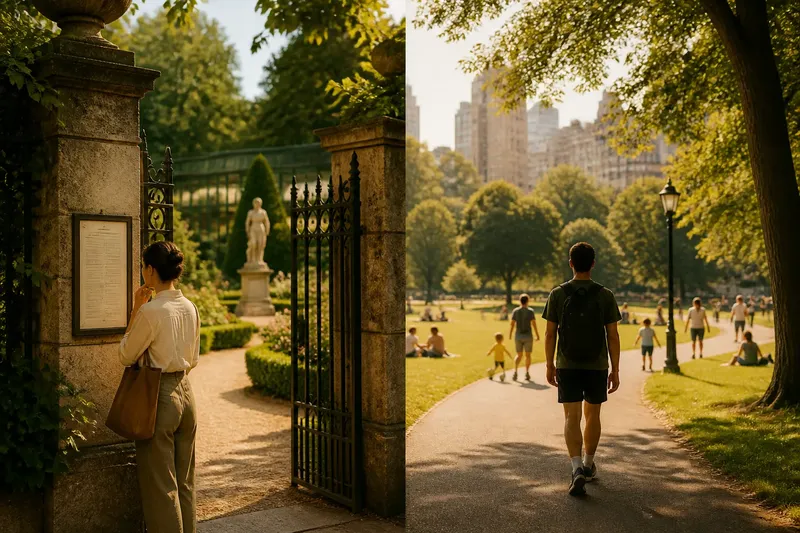
A familiar walk gives the break a clear boundary: leave one setting, follow a route, and return. A loop past a corner store or around the outside of a building can offer a change of scene without requiring a destination or brisk pace.
Choose a route that is easy to shorten. At a corner, you can turn back rather than complete the loop. Notice an ordinary detail, such as a patch of shade or a shop window, and let it hold your attention briefly. The point is not to find an attraction; it is to give your eyes something other than the screen.
Street conditions matter. Crowds, construction noise, rain, heat, cold, or poor air quality may make the outing unpleasant or unsuitable for you. Check local advisories and follow personal health guidance where relevant. If the walk would leave you rushing or preoccupied with the return, an indoor pause may fit better.
What should you consider before choosing?
- Available time: If the walk leaves no unhurried return, sit indoors; if there is room to go out and come back calmly, consider the loop.
- Street conditions: If weather, air quality, traffic, or construction makes the route uncomfortable, stay inside; otherwise, use a familiar path.
- Body signals: If you feel physically tired, choose a seat; if gentle movement feels welcome, try the walk and turn back if that changes.
- Attention: If the room and screen are keeping your thoughts fixed, change scenes; if extra sights and sounds feel like more work, reduce input indoors.
- Responsibilities: If you need to monitor something at home or work, remain nearby; if you can step away, an outdoor loop is an option.
- Route access: If the nearest path feels awkward or hard to leave, pause indoors; if a familiar route has an easy return, take it at an unhurried pace.
These are practical decisions, not rules. A sheltered entrance or indoor corridor can offer a change of scene without a full walk, while a bench outside can combine movement with a quiet pause.
How do time and weather affect the choice?
What if I have only a small gap?
Choose the option that leaves time to return without rushing. An indoor pause starts at once, while a nearby loop may also fit if the route and timing are familiar.
What if the weather is unpleasant?
Let comfort and local conditions guide you rather than treating outdoor movement as an obligation. A quiet seat indoors is a sensible option if going outside would add discomfort or concern.
What if I feel restless but physically tired?
Choose a small change that does not ask much of your body. You might sit near an open window or walk only to the building entrance, then return if movement feels unwelcome.
Can I combine an indoor pause and a short walk?
Yes, if doing both feels simpler than choosing between them. You could sit for a moment before taking a familiar loop, or walk to a courtyard bench and pause there.
How does the choice work in a real moment?
Imagine you have a gap between two work calls, feel mentally crowded, and hear rain tapping against the window. You check the forecast and see that the rain is expected to continue, then notice that stepping outside would mean getting wet and watching the clock on your return. You leave your phone on the desk, sit in the kitchen with a mug, and look out at the street. The resulting decision is to stay in for this break; if the rain eases later and your schedule opens up, a short walk remains an option.
For a short break indoors or a loop around the block, the simplest distinction is still useful: do you want less input, or a change of scene? A chair and a familiar route make both choices easier to reach. The break can end when you are ready to return, even if the room or street has not transformed.
Keep the next step modest. Close the laptop before sitting down, or choose a route with a clear turn-back point. Those small boundaries make it easier to tell a pause from a task you have merely postponed.